
THE TAPESTRY OF THE KAMBERG
Some of the iconic buildings of the Kamberg:
1. Sheltered Vale
2. The Culvers – John Brown story
3. St Peters
4. Kamberg Valley Association
NOTES FROM THE WRITER
Nothing in life is constant … except change. This is the same for farming and certainly for our Kamberg Valley. Owners change, enterprises change, and people adapt with the times. Farmers, and their wives, must constantly stay in a dynamic state to take advantage of all and any opportunities that come their way. And to thrive, and not only survive, is a constant challenge for all of us.
I have tried to capture the Kamberg Valley as it is in 2016/2017/2018. Unfortunately, I can only document and research into what I know of the Valley, I do not claim to know everybody and everything, so some people and enterprises may be excluded, I am very sorry for that.
I have tried to stick to facts as far as possible, but many details are taken from fire-side stories and pub-talk. The Kamberg Club, with the Wheel and Plough at its center, is one of the many places in the valley that gave me inspiration and so a handful of salt is required for many a story.
The Happy Farmer and I have been active in the KVA so I have tended to be biased along those lines and to the people that we have met, and got to know from the Club.
Buildings of Kamberg
1.Sheltered Vale
In the early 1900’s E E Downing owned the farm Sheltered Vale. He was a renowned dairy cattle breeder in the county and was known for importing the best semen into the country and breeding top quality bulls. In 1910 Sir Herbert Baker, a knighthood architect, was involved in the design of the “new” homestead before his final return to England in 1912 on the farm and this building was completed in 1912.
2. The Culvers – John Brown story
Queen Victoria was labelled as the ultimate prude but the some argue that the truth was that she possessed a voracious sexual appetite bordering on nymphomania being very sexually aggressive. Following the premature death of her husband, Prince Albert in 1861 at the age of 42, Queen Victoria found solace in the arms of John Brown. John Brown was a game warden in her highland estate of Balmoral and by all accounts was an un-couth and arrogant man who was also a very heavy drinker. It is alleged that she married him in secret and that they had three children during their marriage. Following the death of John Brown, Queen Victoria was once more alone and found comfort in the presence of her Indian servant Hafiz Karim.
It is the grave of one of these children, also named John Brown, that is in the Kamberg valley. Situated on the farm The Culvers.
The headstone and brass plaque that was placed on the grave have been vandalized over time and their wording cannot be verified. During a deeds search following the purchasing of the land by a Kamberg farmer, a deed came up for the small area around the grave site. On the title deed were the words “protected by the British Empire”. The area is on its own sub-division and has always been sectioned off with fencing. In the later years the grave has been totally desecrated and disturbed. The rock covering the grave has been removed and all remains from the grave have been removed.
JB was openly homosexual and so never had any family to carry on his royal line. While he was alive he lived in a grand home with deep fire places and ornate door frames, made of local sandstone. The local story is that the male servant / valet of John Brown was present at the burial of JB. JB was buried in his full British royal family regalia wearing gold buttons and carrying his sword with a gold handle. This encouraged the desecration of the grave. Years later the same valet enquired for work from the land owner as a ditch digger and ditches were dug all around the burial site.
The local settlement, Lebanon, is in the valley and the land was given by the queen to the local people as a thank you for the kindness they showed John Brown during the time he spent in the Kamberg Valley. But nothing remains of the grave site today…. Just the quiet content cattle grazing on the hillside…
3. St Peters – Anglican Church
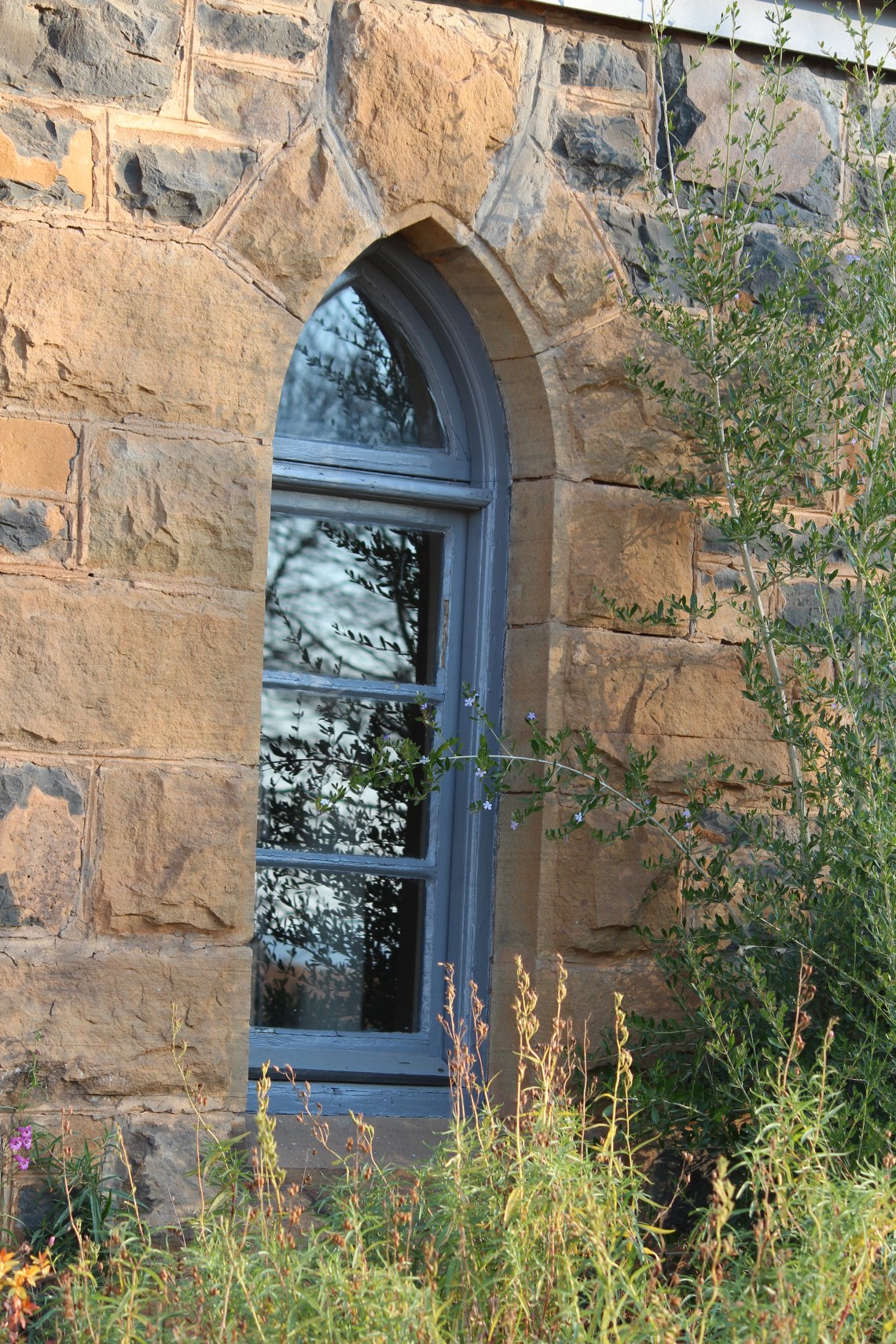
St Peter’s is beautifully situated in the Kamberg valley, under the dozy face of the Giant of the Drakensberg. Initially the little church fed the demand of the local faithful and created a place of worship for the valley’s farming community and friends. St Peters was built on farmland donated by Henry Lang who also very involved in its construction. The materials were carted all the way from the Rosetta railway by the local farmers by Arthur Ratsey. Built with stone and an iron roof, it is an attractive rustic church in the traditional English style and has hosted many weddings of locals and visitors over the years. Funding for the church building has always been through private donations and fund raising by the church community. The stone ablution block was added in 2015 with great help from Graham and Sue Armstrong.
In the early 1900’s the pastor instrumental in getting the church built was Herbert Henry Foster, Vicar of Mooi River. He was known as an energetic builder of churches in the district, building at least four of the smaller churches in the area. Herbert Foster was accused in some quarters of getting the parish into debt. After he left the parish he wrote a detailed letter to the Churchwardens at Mooi River justifying the building program and the resulting parish debt. It was a logical, well-reasoned explanation of the need for these churches and proof that the relatively small debts incurred were justified and would be easily re-paid. He emphasized the valuable assets the parish was obtaining.
St Peter’s was consecrated in 1907 by Bishop Baines with a strong congregation of 91 people attending the first of its monthly services. Over the years this has changed with the times and at present St Peter’s meet twice a month with a much smaller congregation. However, the Lord it has served has never changed!
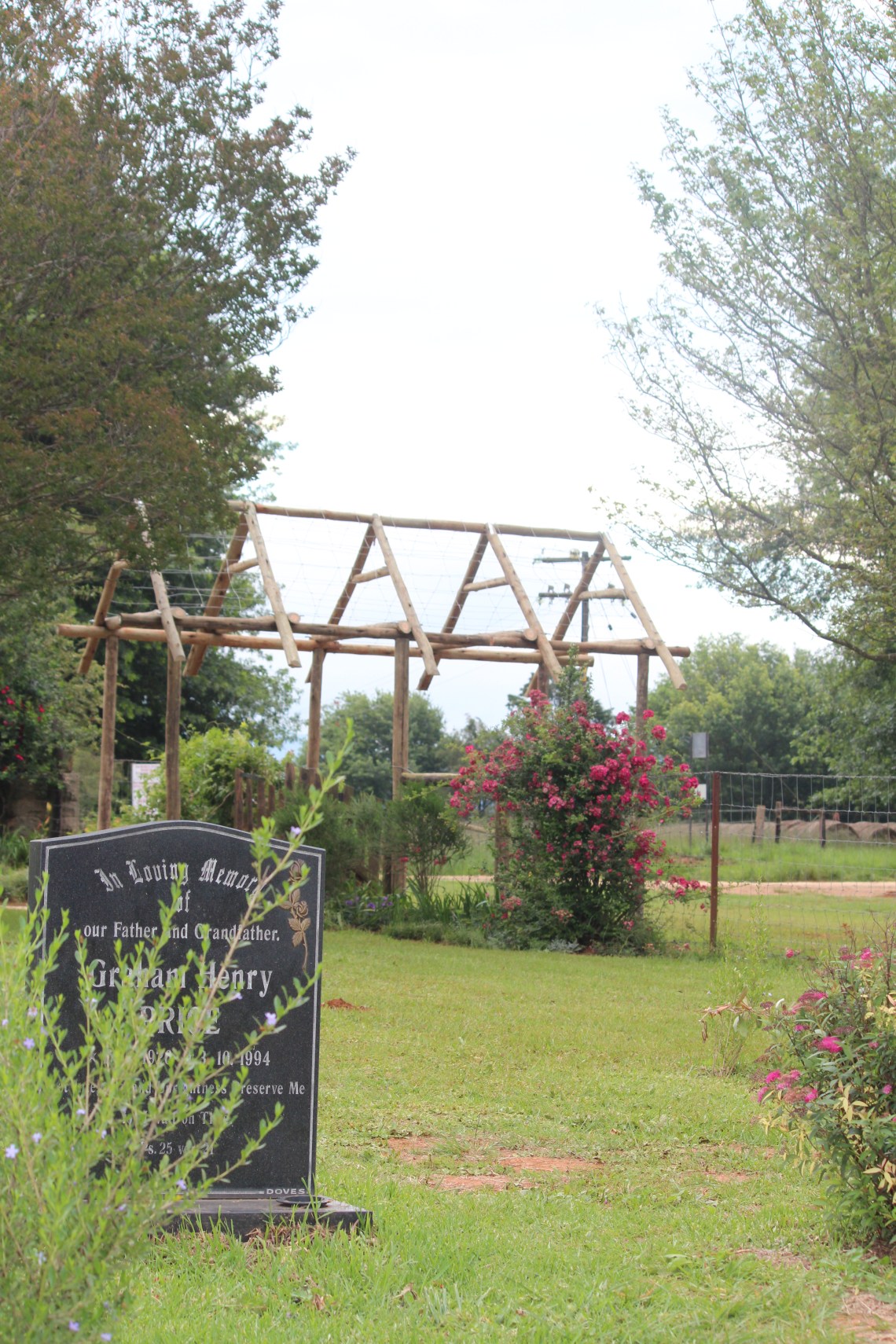
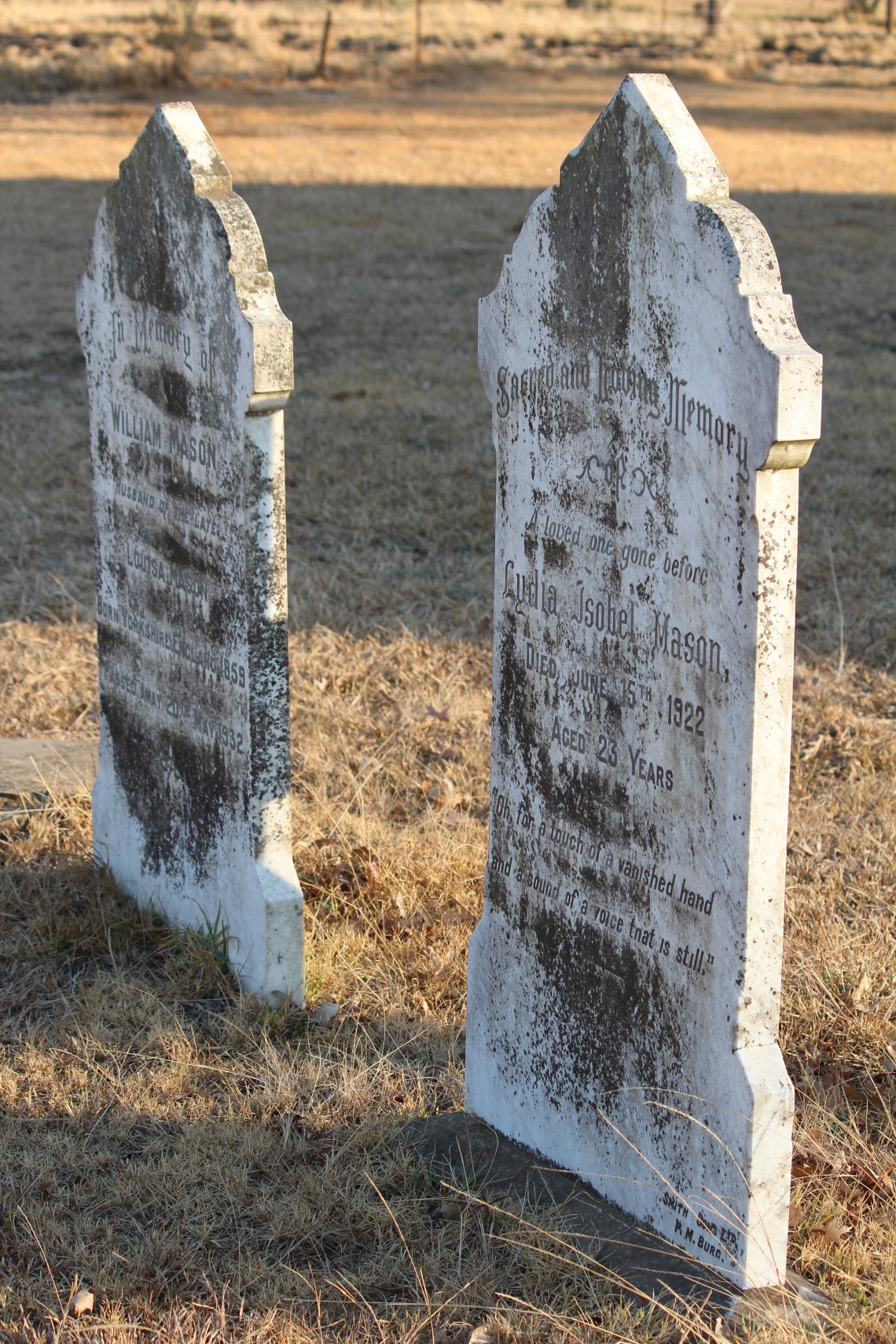
The small graveyard and memorial garden tell many stories, like the tragedy for the Hamilton family who buried 6 children under the age of 3 in 7 years. No church records exit for the Hamilton Clan and so a large part of their lives and tragedy remain a mystery.
4.Kamberg Valley Association
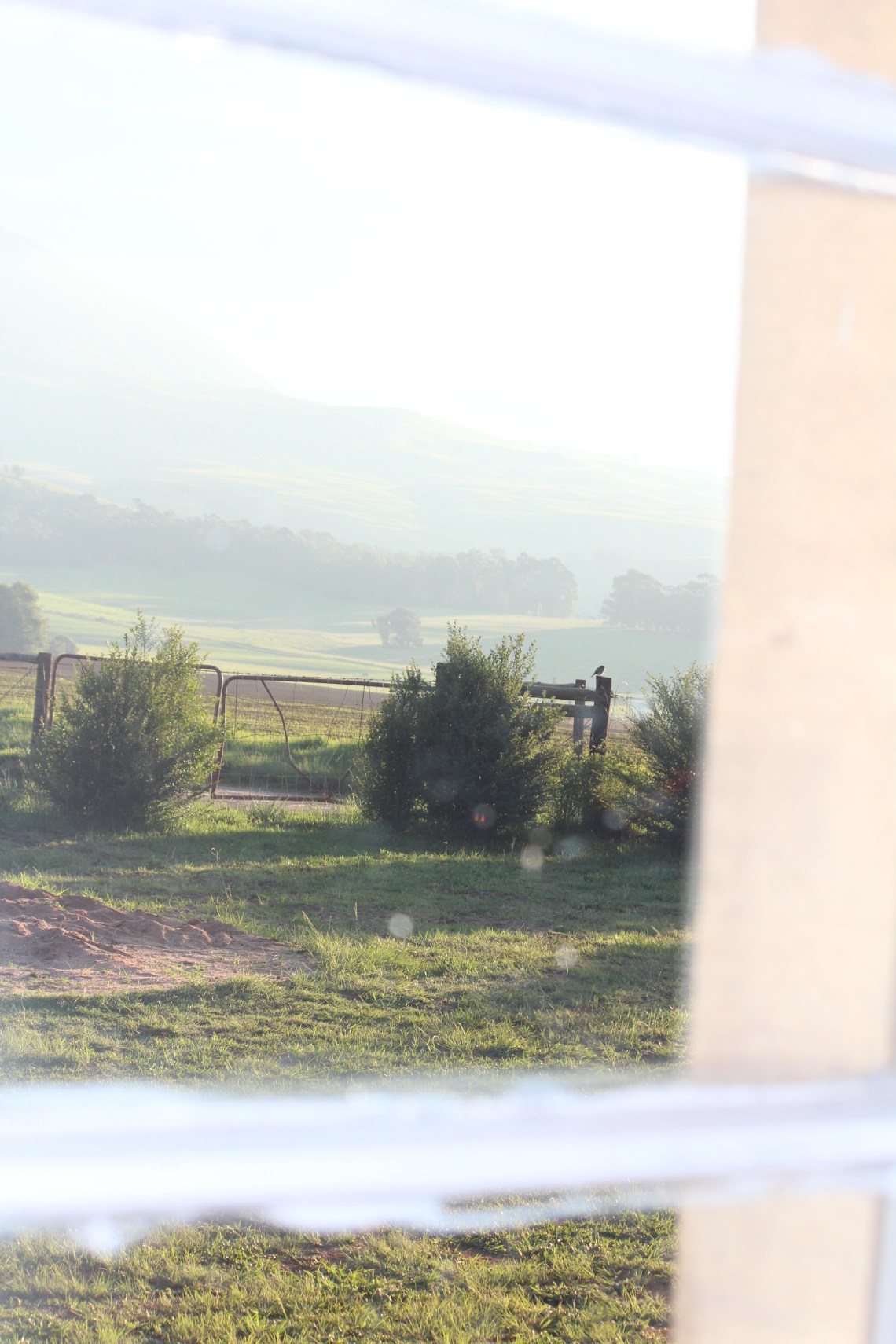
The building in 1896 of the Meshlyn Bridge crossing the Mooi River just outside Rosetta opened the Kamberg for farming, fishing, fables, and the future. It has remained until today a hub of production, holding fine produce, quirky people, and a fabrication or two in the cradle below the sleeping giant.
The Kamberg Club is the very heart beat of the Kamberg Valley Association and is the place it all happens in the Kamberg. To be an active member of the club and its function is to really be a part of something bigger than yourself, it is a chance to give back to others and fun comes along as standard. It is the home of the very popular Kamberg Trout Festival and Kamberg Outdoor Challenge together with the monthly get-togethers and special occasion celebrations. It is also where the business of the KVA gets done. A very powerful word used in an article describing his overall impressions of the Kamberg by Stuart Pennington following his presence at our AGM in 2014 is “progressive”.
The club is built on land that was donated to the community by the adjoining land owner and still makes use of the surrounding lands during the events it hosts at the generous allowance of the current land owners. It started and continues as a major part of the Kamberg community. The Kamberg Club is known for its ability to adapt and is one of the very rare “farmers associations” that has survived the changing times. It has seen changes from the days of stock sales once a month, where this was the main social happening during the month, to the present day. In days gone by articles were written about the fashion of the day based on what the local ladies were wearing at these monthly get togethers. As with most farmers, work must end of with play and the end of the day would end with a” knees up”. The Fat Stock Show that was held at the club house was always very well attended and gained a reputation for the quality of the produce and animals shown. It was a very different time then when “going to town” was an event and not something taken for granted or loathed. Do not forget the Wheel and Plough which is the popular Kamberg pub. Many a yarn has been spun in here!
Over the years the club house has been upgraded by various members and they have left us with a lovely venue to keep our community together.
The KVA continues to run through the generous and self-less time given by the committee and active members. Support and help the KVA to grow from strength to strength … we will need clubs like this in the future!
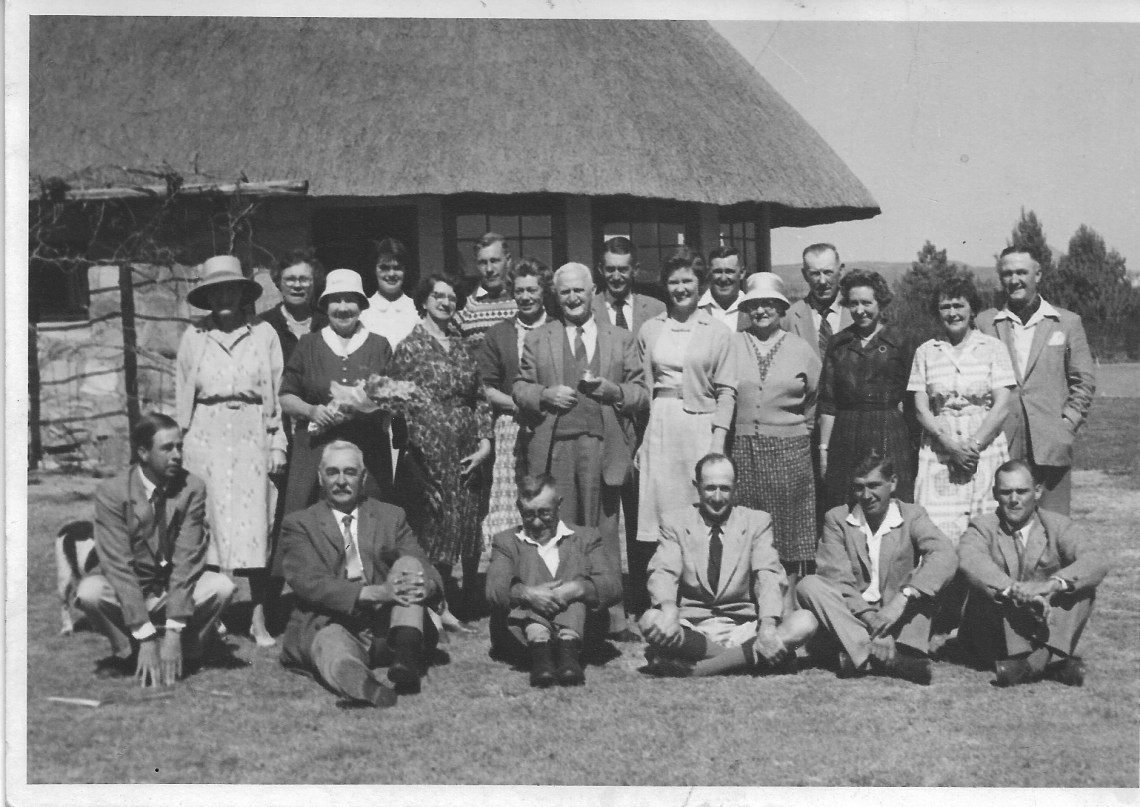
 THANK YOU TO PREVIOUS AND CURRENT MEMBERS OF THE COMMITTEE FOR ALL YOUR TIME AND HARD WORK …
WE SALUTE YOU

 Pink Farm Chick