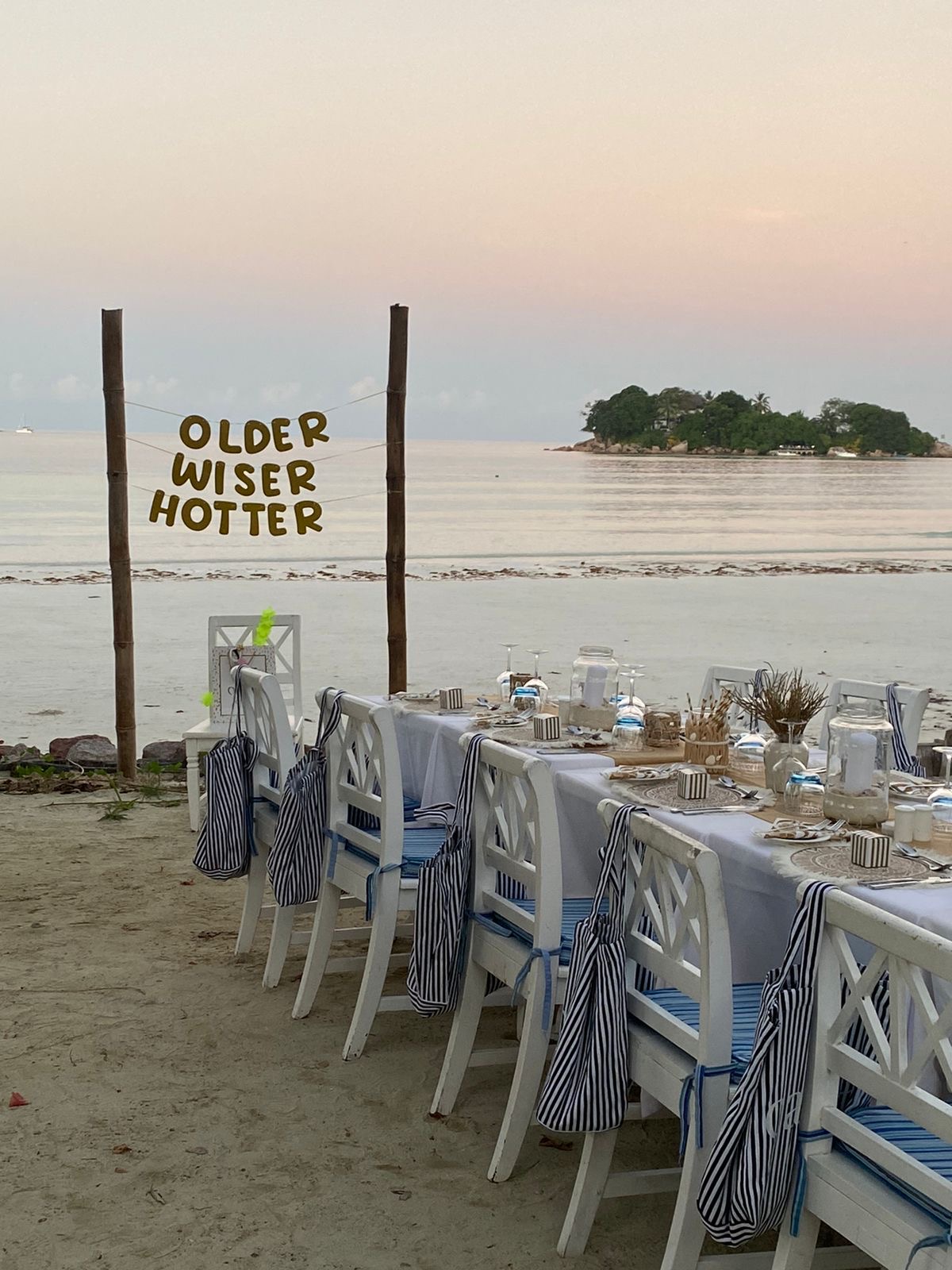
During the day it was sparkling lilo’s, ice cold champagne and girly giggles while at night it was glittering lights, giant fruit bats high above our heads and tropical plants with big leaves, but the constant soundtrack, playing in the background was the rhythmic waves as they rush onto the shore and then recede slowly back to the safety of the ocean.
The sights and sounds of the lime green ghekos scurrying out of the heat of the sun, rays skimming the turquois water with their soft curves randomly poking through the surface and the constant sound of the birds – the gentle cooing of the Zebra Doves, the songs of the Seychelles Bulbul and the chirping of the Red Fody will all be sights and sounds that will live forever in my memories of my Idyllic Island Holiday (IIH).
Our Beaches of the Seychelles ….
Cote d’Or – the beach outside our hotel, site of many swims and long lazy chats and the venue for water-sports-wednesday …(SUP actually stands for sit-up-paddle …)
Anze Lazio – after a very hot (temperature not spicey!) local lunch we went onto the beach for a swim and a relax in the shade. We had explored AL before, but from the sea, on our snorkelling / sunset cruise trip earlier on in the week. AL is rated in the top ten beaches in the world, and it is not hard to see and feel why. It is glorious. Palm tree fringed at only 20-25 m deep and 600 m long, the shade is not far from the crystal-clear water which has a nice drop off so you can submerge your shoulders and sink into the inviting warm hug of the Indian Ocean. The gigantic granite boulders at each end of the beach bring a contrast to the beach and make it an ideal snorkelling spot. Far from the concrete road and any large resorts, you feel like a member on the cast of survivor – minor the malnutrition and total discomfort of being stranded on an island …
Anze Source d’Argent – The beach we explored on our day trip to the island of La Digue. ASA is situated in a national park and so it requires an entrance fee to visit it. This ensures that only the committed visit. No hotels or formal buildings will ruin your photo moment but deep in the palm tree lined coves and between the granite boulders you will find a couple of little beach bars ready to satisfy any thirst.
the Birds of our Seychelles …
Please bear in mind that my bird watching on my IIH was limited to walking between my room and the beach sun lounger…. I did venture further into the Hotel grounds for an informative Nature Walk with John (the entertainment manager) but was suitable attired in my bikini and slops.
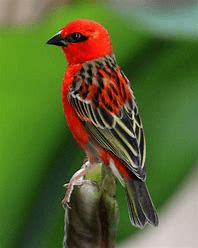
Red Fody: this chatty bird of about 13 cm has very many “weaver like” qualities. Found in various habitats but common on the coast line and gardens of the Indian Ocean Island, this small bird eats mainly fruit and small insects. With black eyes and red plumage (or various shades) it has black / brown wings and can be easily spotted as it flitters amongst the palm trees.
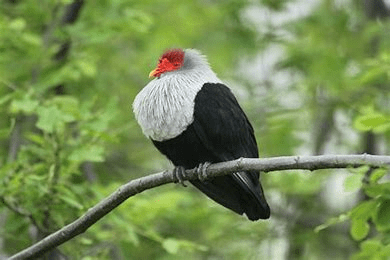
Seychelles Blue Pigeon: this 25cm medium sized bird is a true romantic and pairs mate for life. This pigeon is found mainly in the woodlands on the granite islands, but I did spot one in a palm tree in the hotel garden (on my leisurely stroll to the spa for a treatment!). They have a head and breast of silver / grey and wings of an iridescent green and purple. It has bright blue back feathers with a bright red face mask.
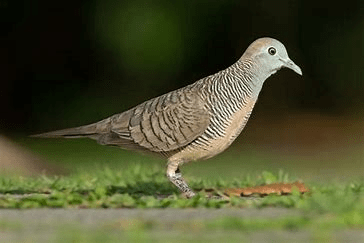
Zebra Dove: these 20cm friendly little doves have a smallish body with a long tail. Also known as the barred ground dove they are brownish grey with black and white barring on its back. They are native to SE Asia and common in parks and gardens on the islands in the Indian Ocean. It pleasant, soft cooing sounds is typical of a dove with each note sharply detached form the next in a staccato rhythm. I find it such a reassuring comforting sound.
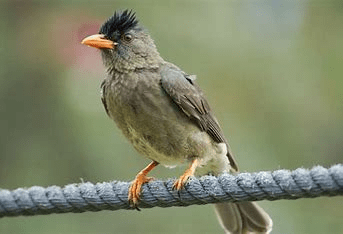
Seychelles Bulbul: like our bulbuls’s in our home gardens, this medium / smallish sized songbird and yello / red / orange beaks and legs with drab olive / brown / black plumage. Its chattering and song makes this the bird to listen to and not twist your neck to see ….
On our way to our hotel we passed through the Vallee de Mai. This ancient palm forest has the largest forest of the Coco de Mer (CDM) (a very rare species of palm tree) and is a tiny 19.5 ha UNESCO Heritage Site.
The CDM is also known as the “love nut”, “bikini bum” or the double coconut and can be pictured on many of the trinkets and souvenirs for the area. It has both male and female trees and only grows on Praslin and the next door Curieuse Islands, unlike other palm trees whose seeds disperse with the tides and propagate on other Indian Ocean islands. These seeds are the largest in the plant kingdom.
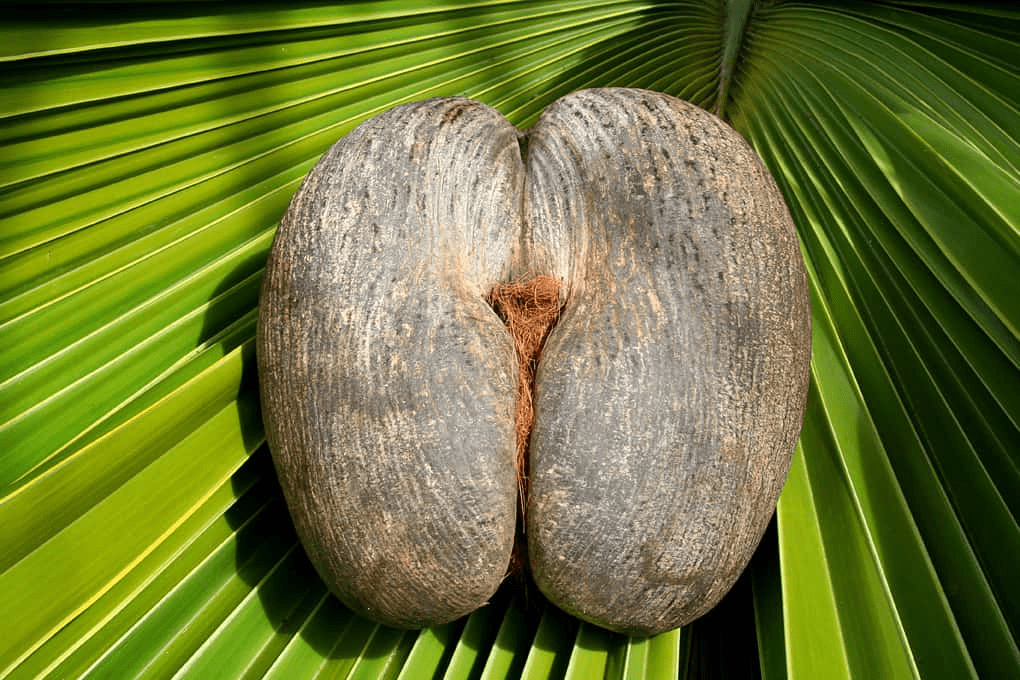
The Coco de Mer – the love nut …..
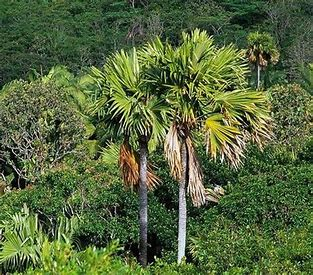
The coco de Mer tree …. leaves fan out from the top of the tree … leaves are a “fan” shape
Flowers of the Hotel …
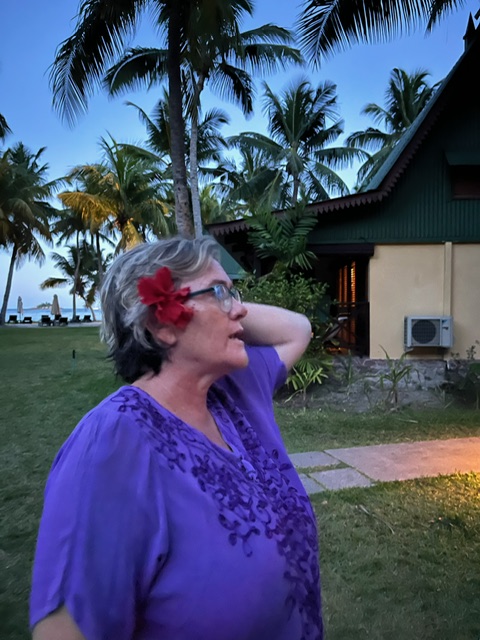
Hibiscus – The deep red flowers lining the walk ways, popping their heads out of the thick tropical foliage plants with big dark green leaves. And following the tropical down pour the hint for our pre drinks venue (room number 5 – RNF) was “follow the flowers and dodge the rain puddles”,
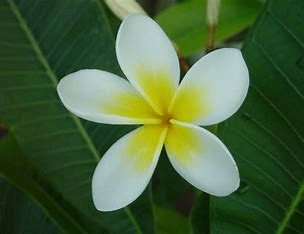
Frangipani
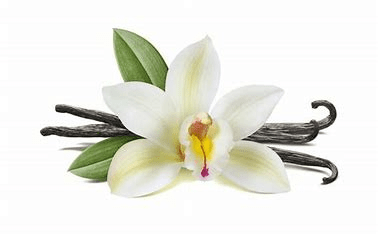
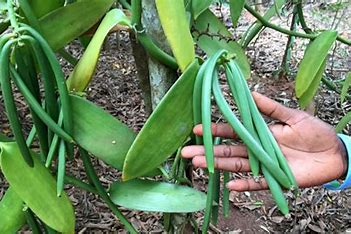
Vanilla: an ever-green orchid vine which grows worldwide in the tropics and sub-tropics. A sweet smelling flowers are a white and cream flower with a greenish yellow centre. the flowers are only open for one day – they open at sunrise and close at sunset.
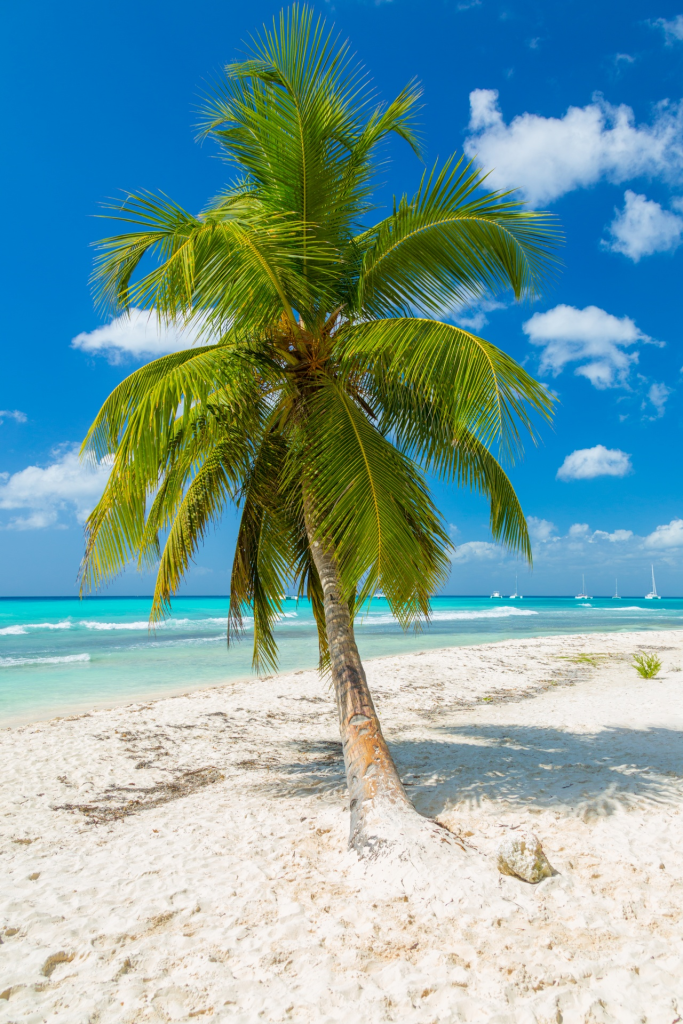
my IIH view ….

 Pink Farm Chick