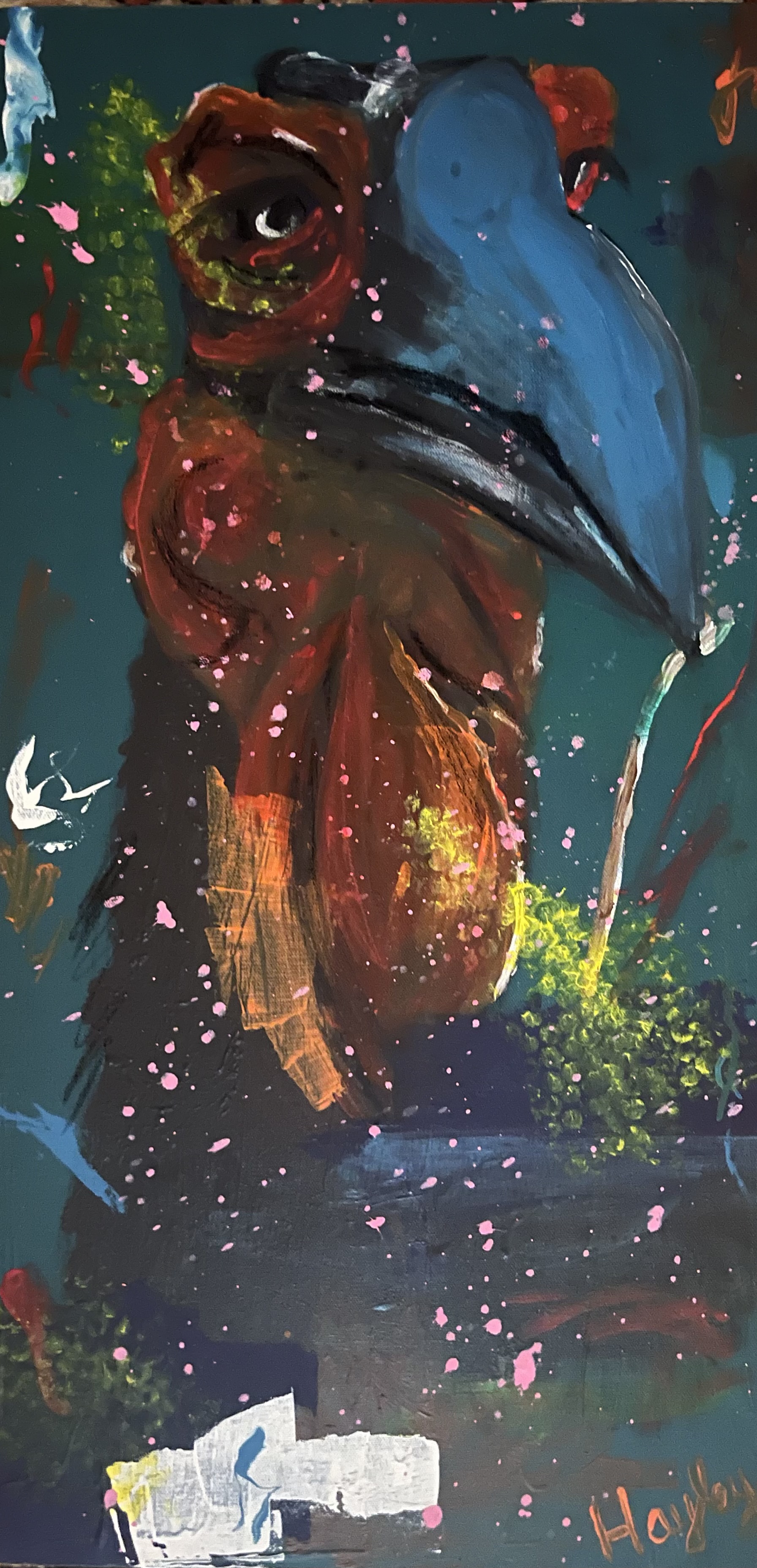
The big grumpy uncles of the bird world, like turkeys on stilts, they’ve got this intense, almost prehistoric look about them. You’ll often see them stomping around in groups, looking for insects, snakes, or anything else they can get their beaks on. They’re not exactly graceful, more like they’re patrolling their territory with intent. They’re really social, in their own grumpy way, and they’re fascinating to watch, even if they do look like they’re perpetually annoyed.
And their call? Forget sweet melodies. It’s a deep, booming “dudu dudu dududu”, that carries for miles. It’s a sound that just vibrates through you. They’re pretty slow-moving most of the time, waddling slowly through the savanna in their small flocks, but when they do decide to move, they’re surprisingly quick and powerful.
In Southern African cultures, it’s a bird steeped in folklore, often carrying a mix of respect and fear. Its deep, booming call, like a distant drum, has earned it a reputation as a bringer of both good and bad tidings.
In some traditions, its call is associated with rain, making it a welcome sound in dry regions. People believed that if the hornbill called, the rains would soon follow, a vital message for farming communities. Conversely, in other areas, its deep, resonating call was seen as an omen of death or misfortune, a sound that could foretell illness or other calamities.
Because of its large size and powerful presence, the hornbill is often linked to strength and power. Some stories portray it as a wise and powerful elder, a guardian of the land. It was considered taboo to harm them, as they were believed to be connected to the ancestors.
There’s also a strong connection to cattle in some folklore. The hornbill is often seen foraging in grasslands alongside livestock, and this association has led to beliefs that they have a special relationship with cattle herds.
Overall, the Southern Ground Hornbill occupies a unique place in the folklore of the region. It’s a bird that commands attention, both with its physical presence and its powerful call, and its role in the stories and beliefs of the people reflects that.

 Pink Farm Chick