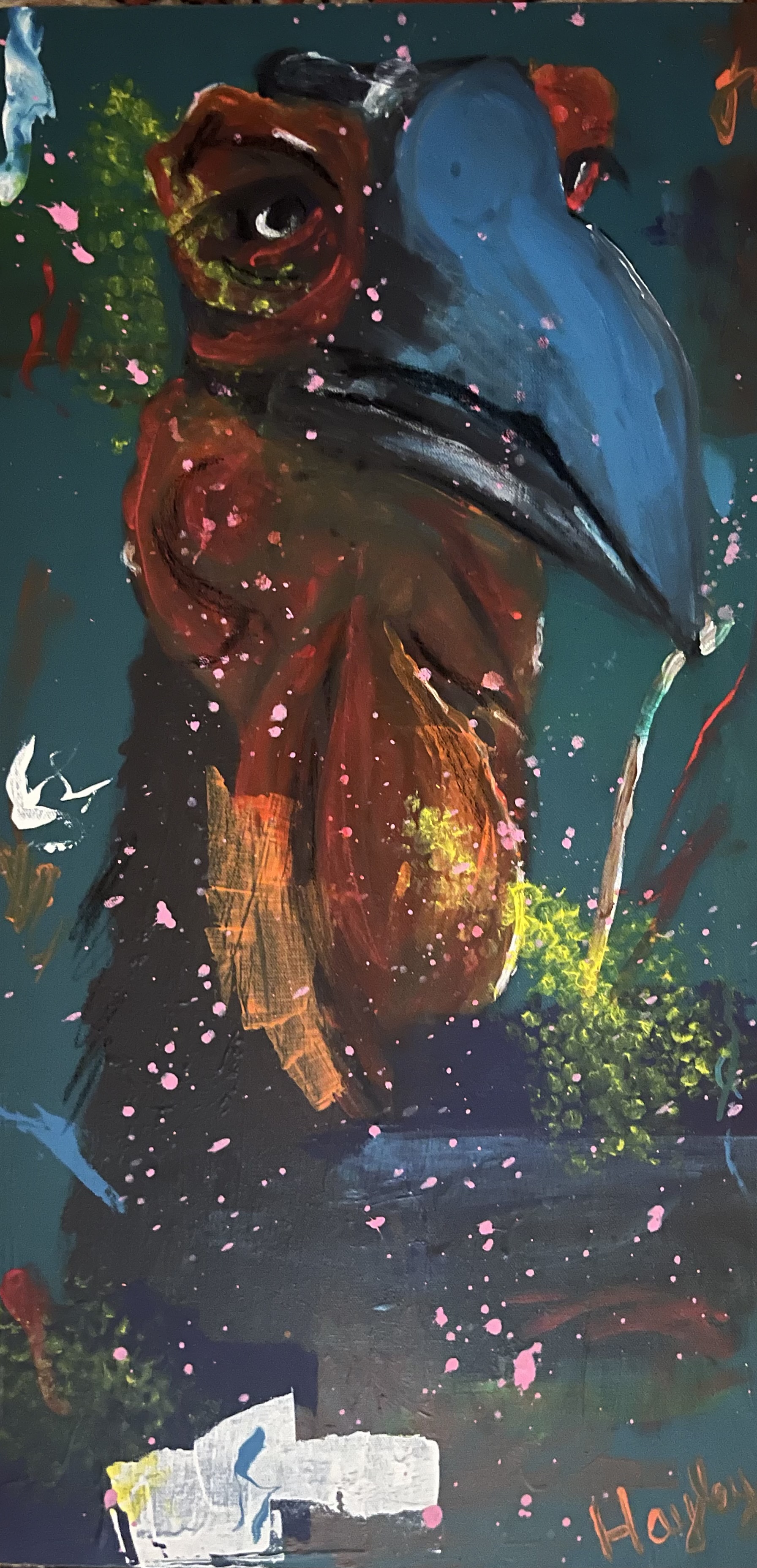
The Southern Ground Hornbill is on the brink of survival. Classified as endangered, these birds face growing pressure from illegal wildlife trade, and their declining numbers are increasingly compared with those of the Pangolin. Often called the “farmers of the forest” because of the role they play in controlling insects and small animals, they are also birds of deep cultural significance across parts of Africa.
Like many large birds, hornbills face the familiar threats of habitat loss, secondary poisoning, and electrocution on power infrastructure. But greater challenges are their extremely slow reproduction rate along with the superstitions and culturally belief that surround the Hornbill.
Southern ground hornbills can live 50–70 years, yet they only begin breeding at around 10 years of age. Even then, although a pair may lay two eggs, usually only one chick survives and is successfully raised. Because they breed so slowly and infrequently, a female hornbill may raise only about 10–15 chicks in her entire lifetime — making every surviving chick critically important for the future of the species.
The bird’s dramatic presence, booming voice, and unusual behaviour mean it has always stood out in the African landscapes—which is probably why it has inspired such powerful stories for generations. Across southern Africa, the Southern Ground Hornbill holds deep cultural significance. It has been viewed in many different ways: as a messenger of storms and rain, a protector against lightning, a harbinger of death or misfortune, and, in other traditions, a symbol of wisdom, family, and guardianship. These beliefs reflect the hornbill’s strong place in the cultural heritage and folklore of many communities throughout the region.

 Pink Farm Chick