
In a chunk of heaven on the largest river in Kwa Zulu Natal, Trevor and Ros live a full and happy life and all this is done making a positive impact on the environment around them.
Following the modern day tend of living off the land and minimising your carbon footprint, I need look no further than Kia Ora farm to make this cliché a reality. I am making my way to the home of Trevor and his wife, Ros Wood in Bergville and the holiday accommodation: Tugela Rapids.
Their way of life is not a conscience decision just the way it is ….
I am travelling through the tree- lined streets of Winterton when my phone rings. It is a call from Ros, a request to “please pop into Simmies (a local food zone) and get some milk”. I do so but cannot help wondering why. The sign at the turn off warns of the state of the road coming up, calling it a 4×4 track. I find this all rather daunting but tackle the road ahead with ease and watch the countryside as it bounces by.
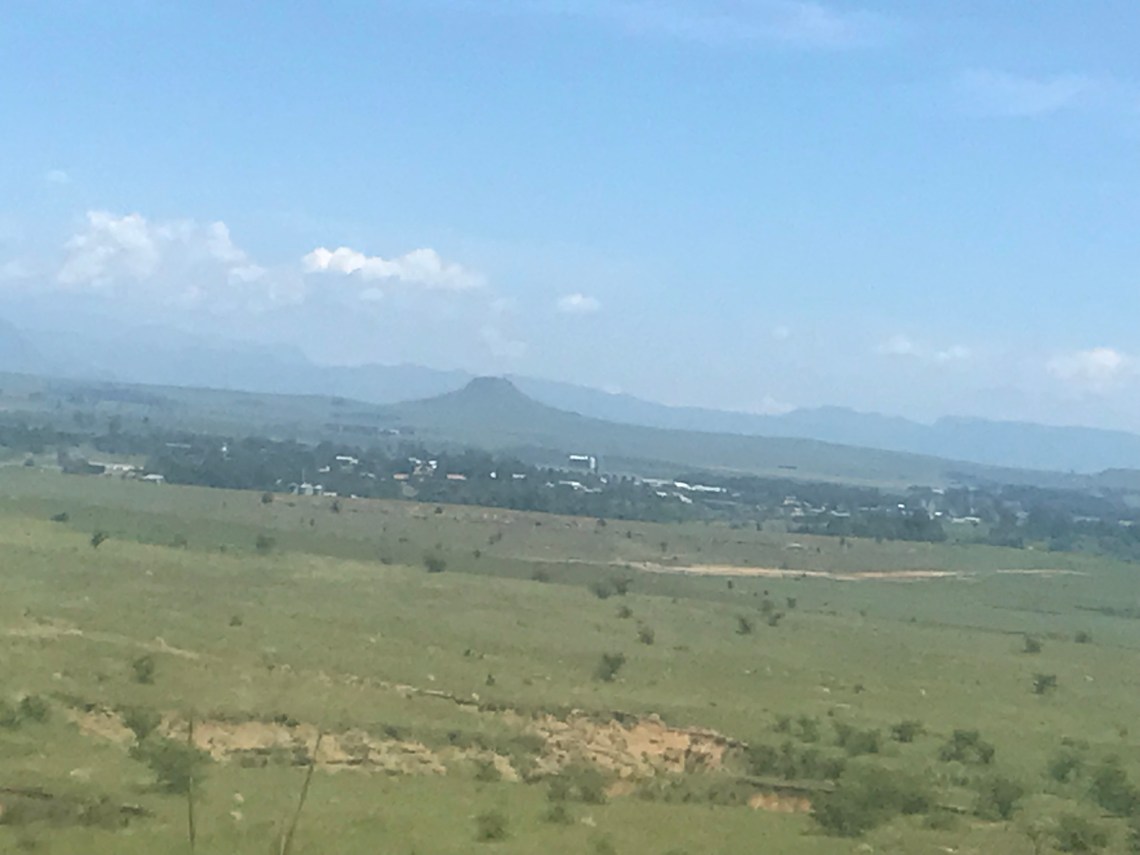
Kia Ora is the Wood family farm in the Bergville district. It is situated on the banks of the mighty Tugela River as it gathers up energy to begin its 500km meander to the sea. In certain respects, the passage of time has passed Kia Ora by, but the farmyard is as busy as “Clapham junction” at the start of the morning. Vegetables need to be picked and taken to the market, orphan lambs need to be bottle fed, tasks need to be allocated for the day and roll call for all the livestock needs to be taken. To be an animal on Kia Ora is to be treated as part of the family. Nature however is the author of your destiny on the farm. If you were made to provide milk – you are milked, if you lay eggs – they get collected every day and if you were made to provide protein – well then your fate is sealed. All things live in harmony but understand that each have their purpose here on the farm.
Trevor is an eccentric farmer. He relates his principal attitude to me with a grin through his beard, “the old ways worked best, and still do” Trevor is a character who could stand on his own in any screen play – full of life and idiosyncrasy. He appears grumpy and a real hard nut to crack but under that tough exterior he is a warm-hearted caring man, “hard” as a marshmallow! One example of this is the number of sales representatives that come to Kia Ora. They all know that Trevor will never turn you away and there is always a cup of tea served with some good humour on the veranda of the farmhouse. Although a qualified diesel mechanic, life long farmer and man of the land, a tour around the farm and Tugela Rapids will let you know that Trevor is also an inventor and a jack-of-all-trades. This can also be said of Ros when walking around her sewing room cum office cum hobby room cum studio. The farm and farmhouse, and especially Tugela Rapids can only be described as a treasure of creativity and inspiration. A perfect house for a children’s novel filled with character, adventure and fun.
Ros and Trevor sunk more than just hard work into the building of Tugela Rapids; they left a lot of their personality down by the river. The stone and thatch cabins are a perfect escape from the hustle and bustle of life. The river will keep all ages occupies from the fishing and canoeing to the general water play we all love. Hiking, walking and exploring will keep the adventurous and the energetic people occupied and there is always the sighting of the local bird life to keep any relaxing hours filled with fun. The cattle grazing on the banks of the river and the brilliant colours of the flowering aloes on the hillside (in winter or the structural rigidity of the aloes in summer) will keep the photographer in you busy for hours. It is also a perfect base for exploring the local area which includes the Ukuhlamba Drakensberg, the battle fields route and the famous local hospitality. The perfect way to end a hard day in Africa is having sundowner on the deck and watching Africa flowing quietly by.
The chalets are built using material that were found on the farm and run using solar and gas power. It is a self-catering getaway with communal lapa and ablutions. The camp sleeps four people per chalet, of which there are two, and there is flat ground available for campers.
However, Kia Ora does not escape the politics of the day. While name changes in KwaZulu Natal were being implemented and accepted, the name of one of the pet donkeys also changed. The farm staff were adamant that “Frank” be changed to Dennis the donkey. So now it is Dennis and Ernst. Ros and Trevor originally bought “the boys” to run with the sheep and protect them from predators, especially when they are at their most vulnerable, during lambing, but now considered pets they stay in a camp close to Ros. As they are safe in terms of not being part of the food chain, they can enjoy the Bergville sunshine living their life of luxury. I confirm with Trevor that only Ros remembers the names they have called their various animals, and the names are usually linked to a sports star of the day. Their big black rescue dog “Todd” is named after the New Zealand rugby star Todd Blackadder(a rugby legend in the early 2000’s) and the orphan calf found in the feedlot “Amalie Jamily Marresmo, as she was born when the latter had just won the French Open tennis.
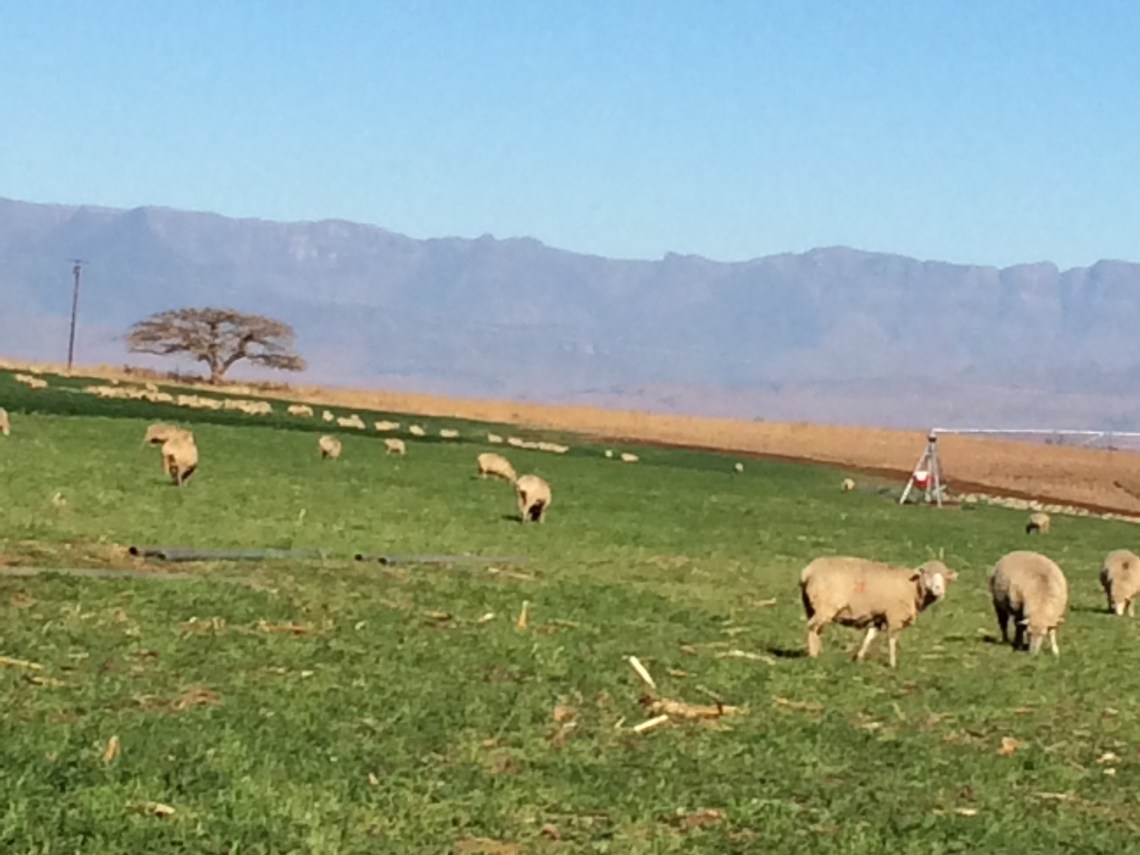
During lambing season, it is a frequent sight to see Ros mixing milk powder for the orphan lambs and pulling baby teats over old beer bottles. The clinking of the bottles in the bucket start the frenzy and it does not stop until the last ones are all fed and settled down for the night. They will jostle each other to be in the front of the queue and once they start to suck it seems like their lives depend on getting it down as fast as possible, all the time their tails are whipping from side to side. This must be done twice or there times a day depending on the age of the lambs. This is always great fun for any of the grandkids who are always willing and eager to help. These lambs too do not escape the naming ritual. Once they have been guided through the first few months they join the flock of sheep on the farm and graze free range around the farm house.
The reason for my phone call to “bring milk” is made clear by Ros. Hoppity (the farm milking cow, so called because of her injured hip) is having a well-earned break but “will soon be pensioned off” Ros says with a tear in her eye. Ros in actively involved in the way of life on the farm, but this does not stop her from becoming attached to the animals. Whatever crop is in season, features predominantly on the table at mealtimes together with their home gown meat. The pantry in the farmhouse is aa valuable collections of bottles filled with various concoctions: recipes are developed in the farm kitchen and collected over time. Nothing grown is wasted with any excess produced, pickled and preserved. The dinning room table is a display of homemade pickles in recycled jars and decorated by Ros’ hand, with names like “Extra spicy juicy tomato jam”.
As I leave, exhausted after an action-packed day, I take in a deep breath. That is not the whiff of money and greed I small but mixed in with the bleating of the sheep, rustling leaves and small of freshly mowed grass is the small of happiness. All of nature is in perfect balance here on Kia Ora, Ros and Trevor are living the dream and enjoying every minute of it. Kia Ora can sleep comfortable at night knowing that they are doing their fair share in looking after the planet, minimising their impact on the world and making sure that their carbon footprint is only a light indent on the sands of time
article written in 2010 so minor details may have changed but the way of life on Kia Ora is still slowly flowing along ….

 Pink Farm Chick